



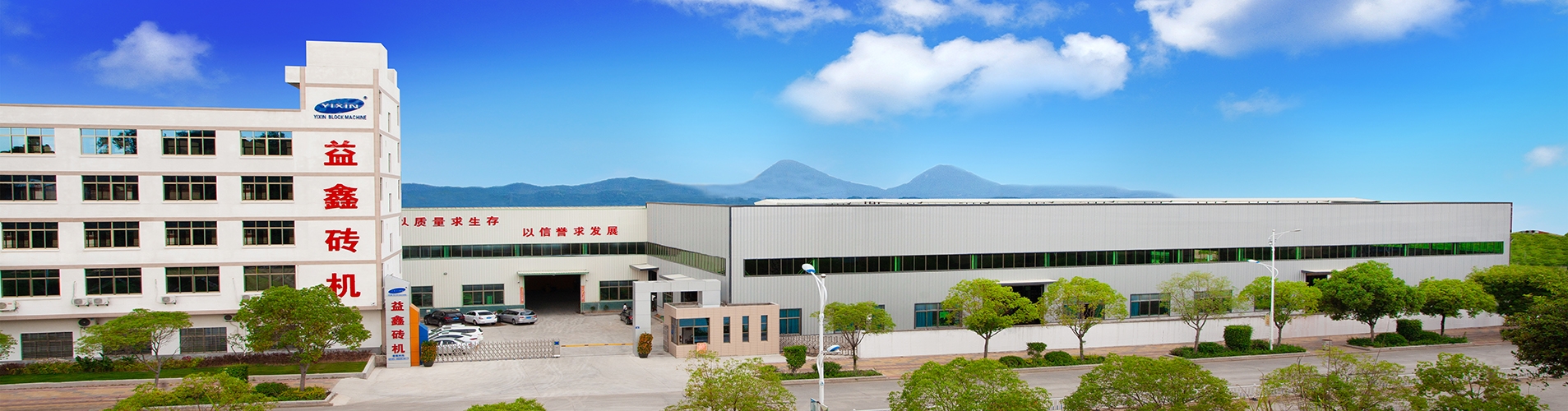
Резкий рост спроса на водопроницаемый кирпич: выбор специализированных кирпичеделательных машин для строительства «Города-губки»
В первом полугодии 2026 года продажи строительных материалов, предназначенных специально для городов-губок, выросли на 21,7% по сравнению с аналогичным периодом прошлого года. проницаемые кирпичиПроницаемый кирпич, как основной дорожный материал, пользуется неизменно высоким спросом. Под влиянием политики «двойного выброса углерода» и полного внедрения «Стандарта оценки экологичности зданий» отрасль производства проницаемого кирпича переходит от крупномасштабного производства к новому этапу крупномасштабного высокотехнологичного развития. В условиях этого рыночного сдвига выбор технологического оборудования для производства кирпича стал решающим фактором, определяющим конкурентоспособность компании.
I. Изменения размера рынка и структуры спроса
По прогнозам, к 2026 году объем внутреннего рынка водопроницаемого кирпича достигнет 39,2 млрд юаней, что на 12% больше, чем в предыдущем году, при стабильном среднегодовом темпе роста в 12,5% за последние пять лет. Такой рост вполне реалистичен — в пилотные программы «города-губки» включены 612 городов префектурного уровня и выше по всей стране, что составляет более 91% рынка. На долю муниципальных инженерных проектов приходится 61% рынка, оставаясь основным источником закупок водопроницаемого кирпича, а реконструкция старых жилых районов и спрос на компоненты «зеленого» строительства становятся новыми драйверами роста.
Модернизация со стороны спроса привела к повышению требований к производству: водопроницаемые кирпичи — это уже не просто «водопроницаемость», а сочетание высокой прочности, высокой водопроницаемости и деликатной, похожей на камень, отделки. Это создает прямую проблему для вибрационной системы, силы прессования и уровня автоматизации формовочного оборудования.
II. Ключевые технические аспекты выбора специализированных машин для производства кирпича.
В контексте строительства городов-губок выбор машины для производства проницаемого кирпича Следует сосредоточиться на следующих технических аспектах:
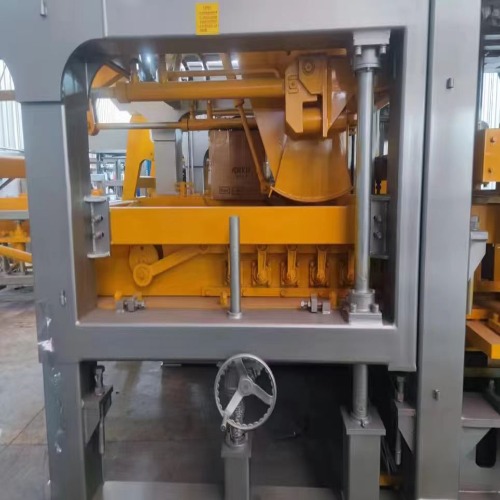
Эффективность вибрационной системы. Проницаемые кирпичные смеси содержат меньше мелкого заполнителя и имеют более высокую пористость, что требует значительно более жестких требований к вибрационному формованию, чем при использовании обычных блоков. Отличная вибрационная система должна обеспечивать высокочастотное направленное возбуждение для обеспечения равномерного усилия и постоянной плотности с обеих сторон кирпича. Сервовибрационные системы с возможностью модуляции амплитуды и частоты в настоящее время признаны наиболее передовым подходом в отрасли.
Баланс между силой прессования и точностью формования. Проницаемый кирпич должен обладать достаточной прочностью на сжатие для соответствия требованиям к дорожному покрытию, сохраняя при этом стабильный коэффициент проницаемости. Для этого требуется оборудование с точным контролем давления и возможностью адаптации к форме. Выпуск отраслевого стандарта JCT 2719-2022 «Автоматический гидравлический пресс для проницаемого кирпича» предоставляет четкие параметры для выбора оборудования, позволяя избежать ошибки, связанной с «недостаточным оснащением оборудования».
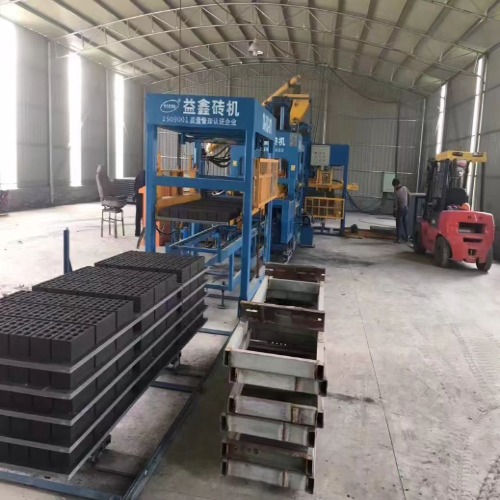
Автоматизация и гибкие производственные возможностиВ условиях дифференцированного развития рынка проницаемого кирпича — цементный проницаемый кирпич занимает основную долю, в то время как керамический и полиуретановый проницаемый кирпич лидируют по темпам роста — оборудование должно гибко переключаться между производством продукции различных спецификаций и материалов. Полностью автоматизированные производственные линии стали трендом, при этом автоматизация всего процесса, от дозирования и формования до укладки, напрямую определяет эффективность производства и трудозатраты.
Возможности использования ресурсов твердых отходов. Использование промышленных отходов, таких как зола, шлак и строительные отходы, для производства водопроницаемого кирпича является как направлением государственной политики, так и путем снижения затрат. Производительность оборудования по переработке добавленных твердых отходов напрямую влияет на экологические характеристики продукта и экономические выгоды.
--
III. Заключение
Непрерывный рост спроса на водопроницаемый кирпич является неизбежным результатом перехода от «пилотных проектов» строительства «городов-губок» к «полномасштабной реализации». В этом процессе кирпичеплавильные машины выступают не просто формовочными инструментами, но и технологическими центрами, связывающими политические цели с реализацией продукта. Для покупателей оборудования конкурентное преимущество в условиях жесткой рыночной конкуренции можно получить, сосредоточившись только на четырех ключевых показателях: вибрационной системе, точности прессования, уровне автоматизации и мощности по переработке твердых отходов.