



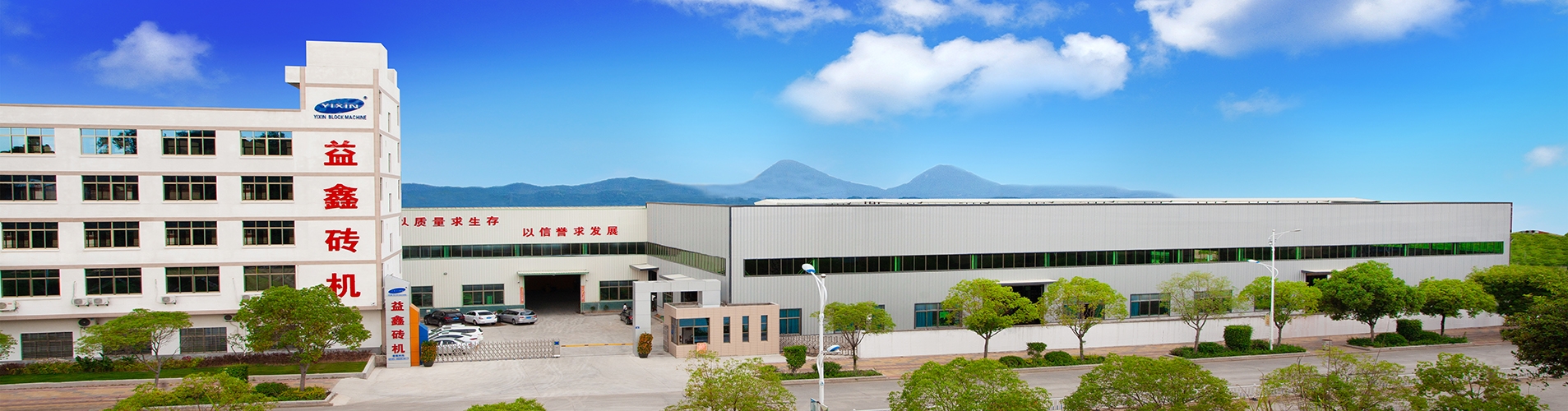
Адаптация сборных зданий: методы управления параметрами кирпичеделательной машины для высокоточной выплавки пустотелых кирпичей.
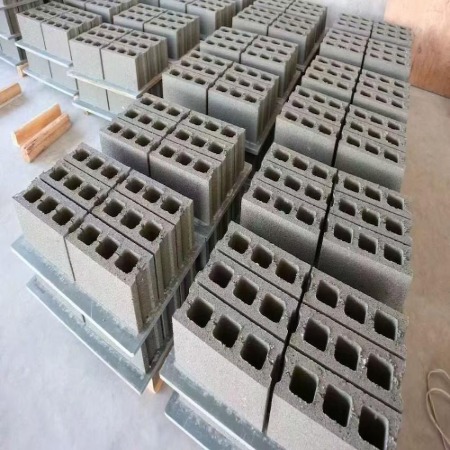
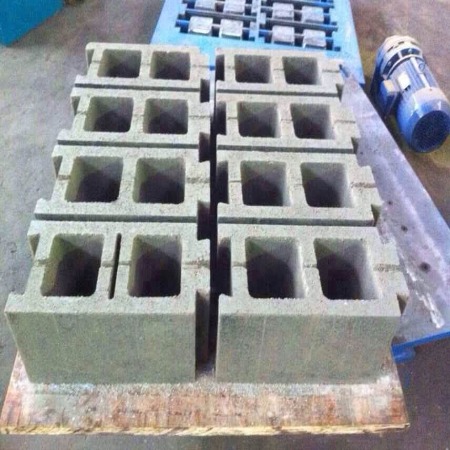
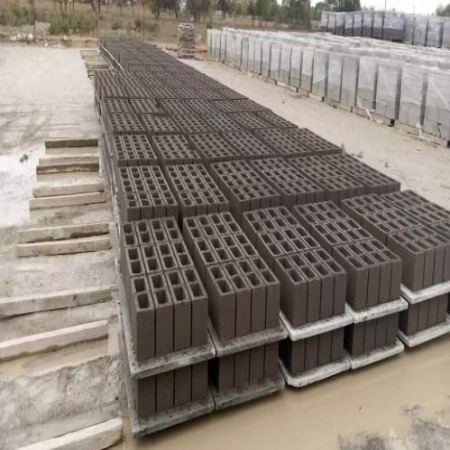
В связи с быстрым развитием сборного строительства требования к точности изготовления стеновых элементов резко возросли: от сантиметрового уровня в традиционном строительстве до миллиметрового. Поскольку кирпичная кладка является основным материалом сборных стен, контроль параметров на кирпичных станках в процессе производства крайне важен. высокоточные пустотелые кирпичи Это напрямую определяет качество компонентов и эффективность сборки. Как добиться высокоточной сборки пустотелых кирпичей за счет усовершенствованного управления параметрами стало ключевым вопросом для трансформации и модернизации отрасли.
I. Управление с опережением по параметрам на этапе подготовки сырья
Производство высокоточных пустотелых кирпичей начинается со стандартизированной обработки сырья. Контроль качества кирпичная машина Параметры не должны ограничиваться стадией формования, а должны распространяться и на стадию подготовки сырья. Во-первых, скорость молотковой дробилки в процессе дробления должна контролироваться в диапазоне 980-1050 об/мин, чтобы обеспечить размер частиц сланца или угольной породы ≤1,5 мм, что является необходимым условием для последующей гомогенизации. Во-вторых, параметры распределения материала в камере выдержки имеют решающее значение. При использовании метода укладки «елочкой» толщина каждого слоя должна быть ≤300 мм, содержание влаги должно контролироваться в диапазоне 12%-14%, а время выдержки должно быть не менее 72 часов для обеспечения тщательной гомогенизации сырья. Наконец, на стадии тонкого дробления вальцовой мельницы зазор между валками должен быть точно отрегулирован до 1,0-1,2 мм. На этом этапе модуль крупности сырья может быть стабилизирован в диапазоне 1,8-2,0, обеспечивая материал с разумной гранулометрией для процесса формования.
II. Скоординированное управление основными параметрами в процессе формования
Формование — это ключевой процесс контроля точности пустотелых кирпичей, включающий скоординированную оптимизацию множества параметров, таких как давление экструзии, степень вакуума, скорость экструзии и температура фильеры. Настройка давления экструзии должна динамически регулироваться в зависимости от показателя пластичности сырья. При показателе пластичности от 13 до 17 основное давление экструзии должно контролироваться в пределах 2,8–3,2 МПа, а колебания давления должны быть стабилизированы в пределах ±0,1 МПа. Степень вакуума является ключевым параметром для устранения внутренних дефектов в заготовках кирпичей. Степень вакуума в вакуумной камере должна быть ≥0,092 МПа, чтобы обеспечить отклонение равномерности плотности заготовки кирпича ≤1,5%. Согласование скорости экструзии и температуры фильеры напрямую влияет на стабильность размеров. При скорости экструзии 1,2-1,5 м/мин температура нагрева фильеры должна поддерживаться на уровне 45-55℃ с температурным градиентом ≤3℃, что позволяет эффективно контролировать степень усадки заготовки кирпича в целевом диапазоне 0,4%-0,6%. Также крайне важен контроль за скоростью шнека и скоростью подачи; отклонение между ними должно составлять ±2%, чтобы избежать расслоения плотности, вызванного неравномерной подачей.
III. Стратегии точного обслуживания в процессе сушки и обжига
Неправильный контроль в процессе сушки и обжига кирпичных заготовок полностью нивелирует преимущества в точности, достигнутые на стадии формования. В процессе сушки следует использовать ступенчатую кривую нагрева, при этом температура на входе должна поддерживаться на уровне 80-100℃, а конечная температура повышаться до 110-120℃. Частоту вращения циркуляционного вентилятора следует установить на уровне 35-40 Гц, чтобы обеспечить усадку при сушке ≤0,3%. В процессе обжига необходимо точно рассчитать температурные градиенты туннельной печи на этапах предварительного нагрева, обжига и охлаждения. Скорость нагрева на этапе предварительного нагрева должна поддерживаться на уровне 1,0-1,5℃/мин, температура в зоне обжига должна стабилизироваться на уровне 980-1020℃ с разницей температур не более ±10℃, а время выдержки должно составлять 40-50 мин, чтобы обеспечить стабильную усадку при обжиге в пределах 0,2%-0,3%. Скорость движения тележки печи и цикл подачи должны быть строго согласованы, при этом отклонение цикла не должно превышать ±5 мин, чтобы предотвратить влияние колебаний температурного поля печи на однородность размеров изделия.
IV. Интеллектуальный мониторинг и оптимизация с обратной связью
Современные системы производства кирпича Обладают возможностью мониторинга параметров в реальном времени и управления с обратной связью. Ключевые параметры, такие как давление экструзии, влажность материала и температура формования, собираются с помощью онлайн-датчиков. Алгоритмы ПИД-регулирования используются для автоматической коррекции этих параметров, контролируя отклонения размеров в пределах ±0,5 мм. Регулярная проверка износа матрицы и своевременный ремонт или замена матрицы при износе более 0,3 мм имеют важное значение для поддержания долгосрочной точности. Рекомендуется создать «файл параметров» для каждого типа пустотелых кирпичей, сохраняя оптимальную комбинацию параметров для каждой партии для непосредственного использования в последующем производстве, что позволит уменьшить колебания точности, вызванные ручной настройкой оборудования.
Вкратце, производство высокоточных пустотелых кирпичей — это систематический проект, требующий тщательного контроля параметров на всех этапах цепочки, от сырья, формования и сушки до обжига, а также оптимизации замкнутого цикла посредством интеллектуального мониторинга. Только таким образом можно удовлетворить строгие требования к точности, предъявляемые к стеновым элементам сборных зданий, что способствует трансформации отрасли от «производства, основанного на опыте» к «интеллектуальному производству, основанному на данных».